Exhibitions – Embroidered Gardens of Punjab
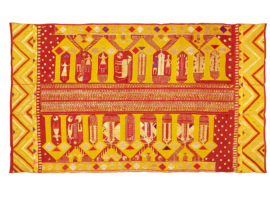
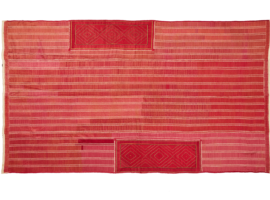
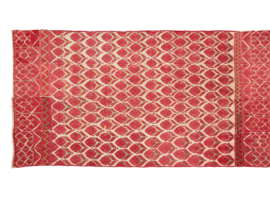
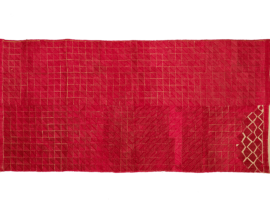
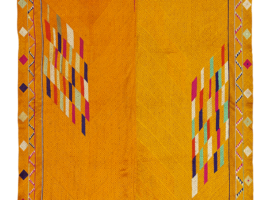
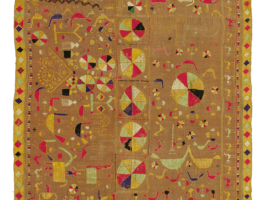
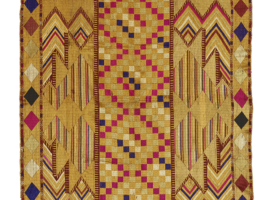
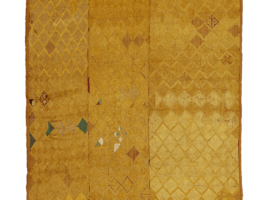
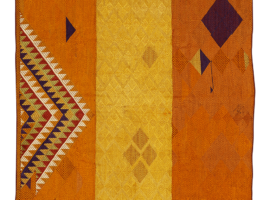
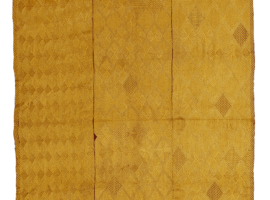
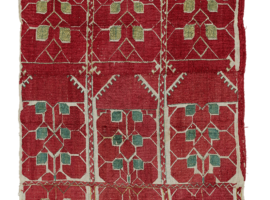
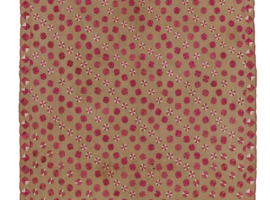
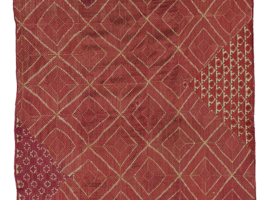
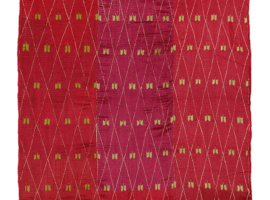
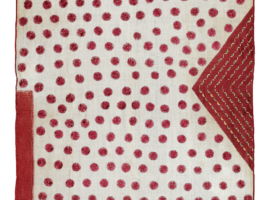
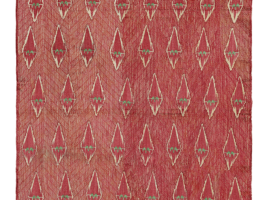
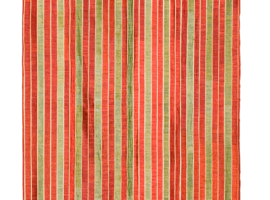
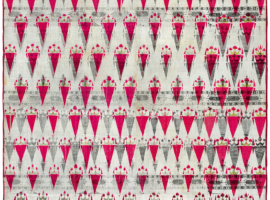
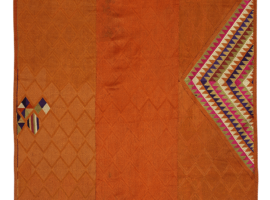
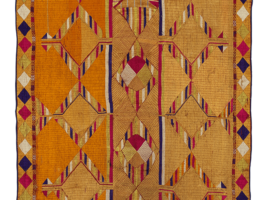
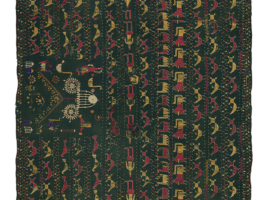
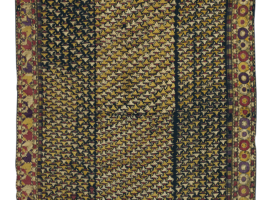
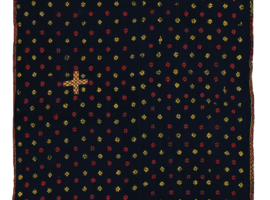
This virtual exhibition, curated for HALI Fair Online (June 2021) shows a selection of pieces that were included in ‘Baghs – Abstract Gardens: Punjab Embroidered Shawls from the Karun Thakar Collection’ which ran from July-September 2021 at the Brunei Gallery, SOAS University of London.
Baghs (‘gardens’) and phulkaris (‘flower-work’) are cotton head coverings that were made in undivided Punjab, prior to the partition of India in 1947. The historical region includes what is now Pakistani Punjab, including the further northern edge of Hazara and parts of the modern Indian states of Punjab, Haryana and Himachal Pradesh.
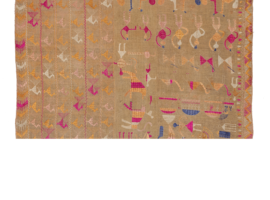
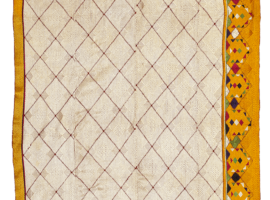
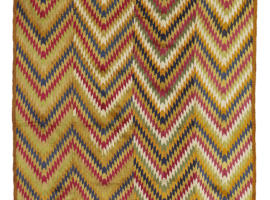
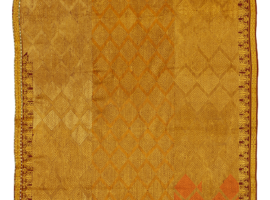
The kind of embroidery decorating this selection of twenty-eight shawls is known as phulkari or ‘flower work’. When the embroidery covers the entire surface of cloth, it is called a bagh (‘garden’). These precious textiles were often made by a bride’s relatives for her to wear at her wedding, or for use at festivals such as Basant Panchami, Baisakhi and Karva Chauth. Their designs vary widely, partly in accordance with the region in which they were made. Western Punjab work favours mainly geometric designs, whereas the eastern regional pieces experiment with figurative, architectural and floral designs.
Women carried out the cotton picking and spinning, and the thread would be hand-woven into coarse cotton cloth called khaddar. Rangarez dyers would then dye the cotton in various shades of red and indigo. All the embroidery was done from the back by counting threads in a darning stitch using floss silk (heer). This technique was perfect for exposing most of the silk at the front, as only a single thread would show on the reverse. Most were made by for personal use, but there was an export market, especially for shawls.
Historical accounts often mention women embroidering these shawls whilst singing and dancing, but it is important to re-examine the mythologies surrounding the production and use of these shawls in a post-colonial context. Given the condition of the material that has survived, it is obvious that they were loved and treasured as family heirlooms. It is also clear that many hopes and dreams were transferred from a needle to the cloth by young girls and women.
All images copyright Karun Thakar